



Essential health checks before fasting withPricelessMed in Dubai, Ajman, Al Ain, and Abu Dhabi
Ramadan is a special time for prayer, reflection and family gatherings. For many families in Dubai, Ajman, Al Ain, and Abu Dhabi, it is also a time to care more deeply for their elders.
While fasting brings spiritual rewards, it also places physical demands on the body. For seniors, these changes can affect energy levels, hydration, medication, routines and overall health. That is why preparing in advance is not just helpful, it is an act of love.
With the right guidance and access to affordable healthcare through PricelessMed, families can help their elders fast safely and comfortably this Ramadan.
Pre-Ramadan Health Check: Do Not Skip It
Before fasting begins, schedule a simple medical checkup. This is especially important if you have:
- Diabetes
- High blood pressure
- Heart conditions
- Thyroid disorders
- Kidney issues
- Regular medication schedules
A doctor can:
- Adjust medication timing for Suhoor and Iftar
- Evaluate whether fasting is safe
- Recommend specific lab tests
- Provide hydration and nutrition advice
Through PricelessMed, families can access discounted consultations and preventive screenings across 130+ hospitals and clinics in the UAE, including: Dubai, Sharjah, Ajman, Al Ain, and Abu Dhabi
Prevention always costs less than emergency care.
Monitor Blood Sugar & Blood Pressure
Ramadan changes eating patterns and sleep routines. For individuals with diabetes or hypertension, fasting can:
- Cause sudden drops or spikes in blood sugar
- Lead to dizziness or fainting
- Increase blood pressure fluctuations
Essential lab tests during Ramadan may include:
- Fasting blood glucose
- HbA1c
- Lipid profile
- Kidney function tests
Regular monitoring ensures safe fasting and prevents complications.
Heart Health During Fasting
Dehydration and fatigue can put extra strain on the heart, especially in older adults.
If you experience:
- Chest discomfort
- Shortness of breath
- Irregular heartbeat
- Severe fatigue
Seek medical attention immediately.
Pre-Ramadan ECG, blood pressure evaluation, and heart screenings can provide reassurance and reduce risk.
Hydration: Your Most Important Ramadan Strategy
In the UAE climate, dehydration is common during fasting.
Health checklist for hydration:
- Drink water consistently between Iftar and Suhoor
- Avoid excessive caffeine
- Limit sugary drinks
- Include fruits with high water content
- Consider electrolyte support if advised by a doctor
Severe dehydration symptoms include:
- Extreme dizziness
- Dry mouth
- Confusion
- Reduced urination
Avoiding dehydration is especially important in the UAE climate. Doctors can also suggest supplements if needed. With the right guidance, fasting can remain safe and comfortable.
Nutrition Matters More Than Quantity
Balanced Suhoor and Iftar meals should include:
- Slow-digesting carbohydrates
- Lean proteins
- Fiber-rich vegetables
- Healthy fats
- Limited fried and processed foods
Ramadan is not about overeating at night. It is about nourishing the body wisely.
If needed, a nutrition consultation on the PricelessMed application can help tailor a Ramadan-safe meal plan.
Eye, Dental & General Wellness Checks
Ramadan is also an ideal time for preventive care:
- Eye exams for vision monitoring
- Dental cleaning before fasting begins
- General wellness screenings
- Vitamin deficiency testing
Many of these services are not fully covered by basic insurance, which is where PricelessMed provides added value through discounted access across Dubai, Ajman, Al Ain, and Abu Dhabi, making healthcare easier for families.
When You Should Not Fast
Health always comes first in Islam.
You should consult a doctor before fasting if you:
- Are elderly with multiple conditions
- Are pregnant
- Have unstable diabetes
- Have chronic heart or kidney disease
- Recently underwent surgery
Health should always be the priority.
How Families Can Support Loved Ones
Ramadan care is a family responsibility.
- Book health checks early
- Monitor elders daily
- Respect medical advice
- Encourage safe fasting practices
- Choose wellbeing over social pressure
Health protection is an act of compassion.
WhyPricelessMed Is a Smart Ramadan Partner?
PricelessMed makes quality healthcare more accessible for families across the UAE.
- 3,000+ discounted healthcare services
- 130+ hospitals and clinics
- Lab tests, telemedicine, physiotherapy, dental, and more
- ER access with exclusive discounts (50% off ER Bill)
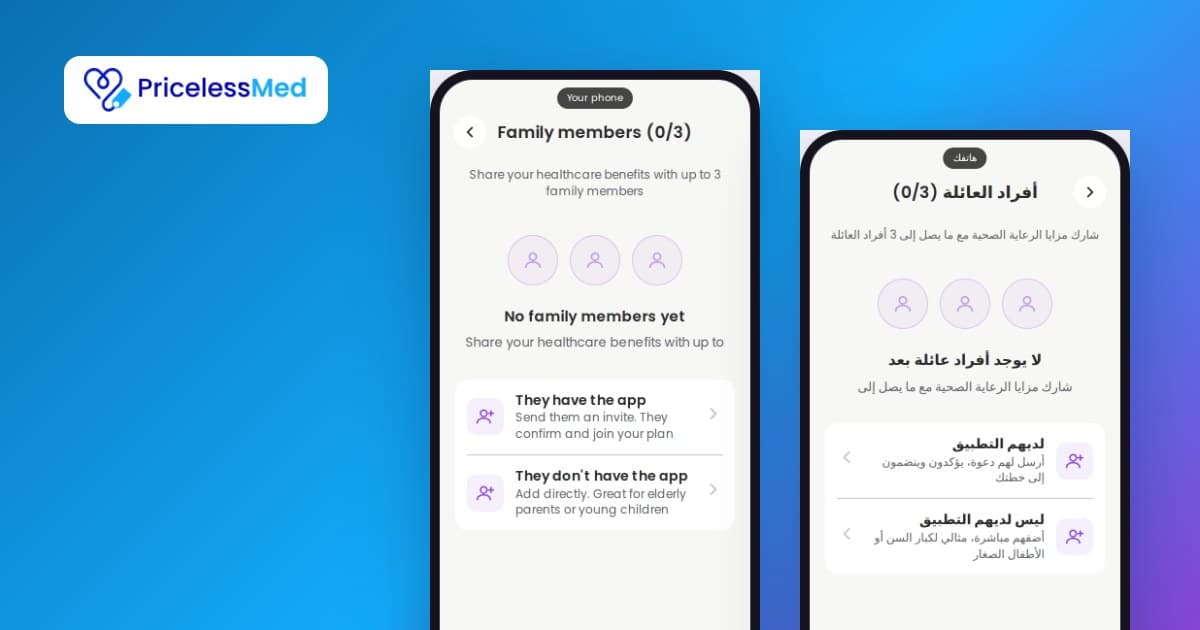
- Coverage for additional 3 family members
Healthcare should never feel financially overwhelming, especially during a month centered on peace and reflection.
A Ramadan Filled With Health & Peace
This Ramadan, do not just prepare spiritually. Prepare physically.
Book your checkups. Monitor your health. Stay hydrated. Know when to see a doctor.
Because when health is protected, worship becomes more meaningful and families can focus on what truly matters.
Protect your loved ones with PricelessMed today.
Frequently Asked Questions: Healthcare During Ramadan
1. How can I prevent bad breath while fasting?
Bad breath during Ramadan is common due to reduced saliva production and dehydration. To manage it:
- Brush your teeth thoroughly before Suhoor and after Iftar
- Clean your tongue gently
- Use a fluoride mouthwash before sleeping
- Stay well hydrated between Iftar and Suhoor
- Avoid excessive coffee and sugary drinks
- Consider a professional dental cleaning (scaling) before Ramadan begins
If persistent bad breath continues, it may indicate gum disease or plaque buildup. Visiting a dentist for scaling and polishing can significantly improve oral health and freshness during fasting.
Through PricelessMed, you can access discounted dental cleaning services across the UAE.
2. Does visiting a dentist break the fast?
Routine dental checkups and cleanings generally do not break the fast, provided no water or materials are swallowed intentionally. However, it is always advisable to schedule non-urgent treatments after Iftar if you feel more comfortable.
3. How much water should I drink between Iftar and Suhoor?
Aim for 6–8 glasses of water spaced evenly between Iftar and Suhoor. Avoid drinking large quantities at once. Hydration should be gradual and consistent.
Limit:
- Excessive caffeine
- Sugary beverages
- Very salty foods
Dehydration increases fatigue, headaches, and dizziness during fasting hours.
4. Should I do lab tests during Ramadan?
Yes, especially if you have chronic conditions like diabetes, high blood pressure, or thyroid disorders. Monitoring:
- Blood sugar
- Kidney function
- Electrolytes
- Vitamin levels
can help prevent complications while fasting.
Lab tests are simple, quick, and often discounted through PricelessMed partner laboratories. Also, you can check our new exclusive deal “50% off Lab test” in selected Lab partners in Dubai and Sharjah.
5. Is it safe to exercise while fasting?
Light exercise such as walking is generally safe before Iftar. More intense workouts should ideally be scheduled after Iftar when hydration is possible.
If you feel dizzy, weak, or faint, stop immediately.
6. Can I access telemedicine during Ramadan?
Yes. Telemedicine is a convenient way to consult a doctor without leaving home, especially if you feel unwell while fasting. Soon through PricelessMed, you can access teleconsultations at discounted rates “50% off” across the UAE.
Final Reminder
Ramadan is a month of spiritual growth, but your physical wellbeing matters just as much.
Small preventive steps, such as: a lab test, a dental scaling, a doctor consultation can make your fasting experience safer and more comfortable.
With PricelessMed, healthcare becomes accessible, affordable, and family-focused throughout Ramadan and beyond.